Mood
How we built a nightlife app from scratch, survived a pandemic, and raised €1M with the founder of Google Maps.
300k+ users • €1M+ raised • International expansion
Scope
Venture building
Stage
0 -> Funded (€1M convertible note)
Timeline
2020 - 2025
The Barcelona experiment
In 2019, while completing her master's degree in Barcelona, Eirini ran a small experiment with her classmates. She set up a workshop in a university classroom and walked the group through a simulated decision: choose a bar for tonight.
She revealed information in stages. First a photo of the venue. Then prices. Then location. Each round, most people stuck with their initial choice. Then she revealed the last variable: what music was actually playing inside. Almost everyone switched.
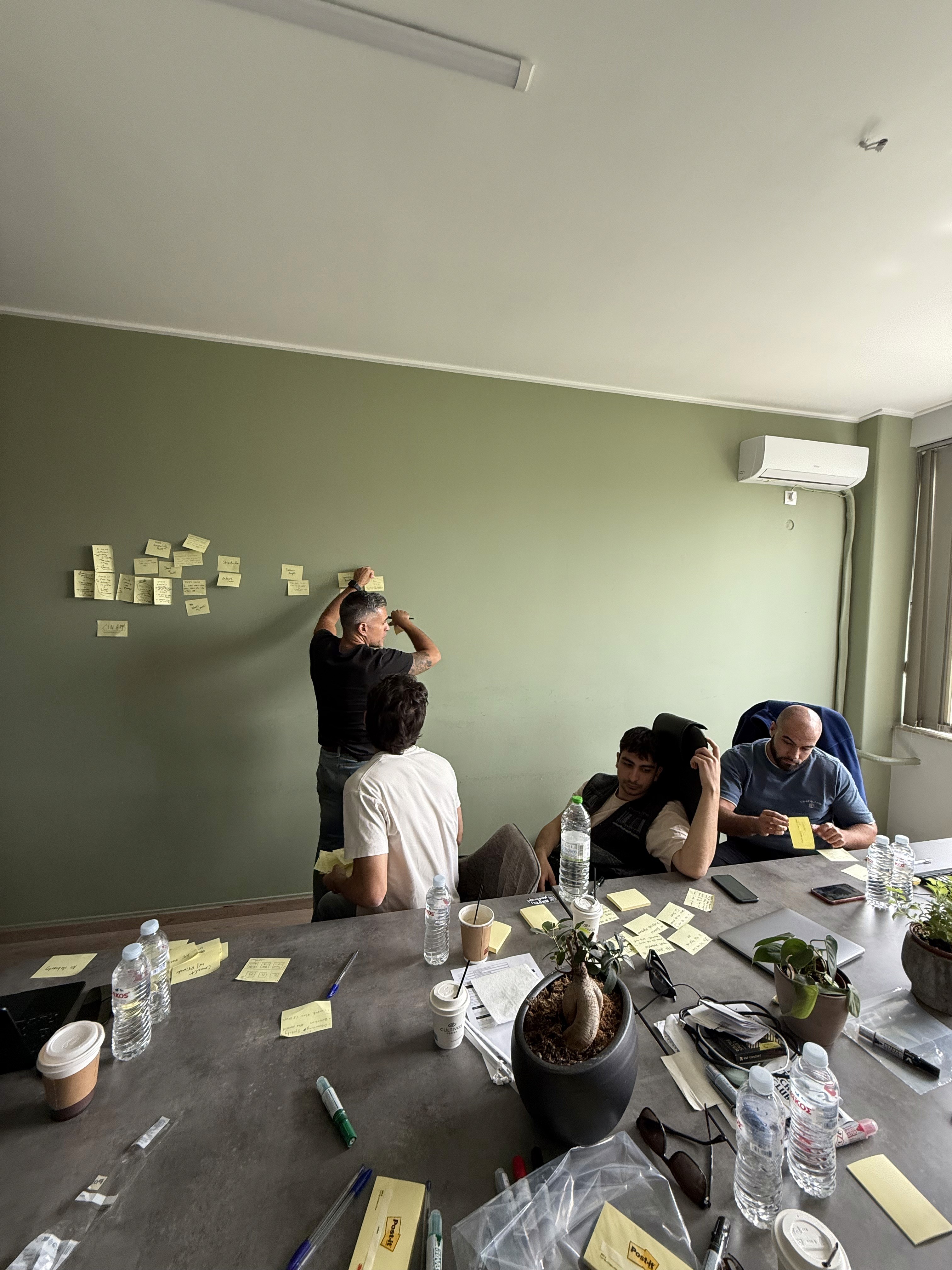
The insight landed back in Athens, where the founding team had already been circling the same question from a different angle: why is it so hard to know what a night out will actually feel like before you walk through the door?
That was the beginning of Mood.
Building through the pandemic
Every bar in Athens was shut. The conventional advice was obvious: don't build a nightlife product during a pandemic. They kept going anyway.
By the time venues reopened, the team had their first 30–40 devices installed in bars across Athens. It was enough to go out and raise.
Founder-market fit
Going out to raise was humbling. The team was in their early twenties, with no business track record, which meant that more than 100 conversations ended in no.
What took time to articulate, and eventually became the strongest part of the pitch, was that no one was better positioned to fix the nightlife experience than the people who were actually living it. Not seasoned founders who hadn't been to a club in a decade. A group of 20-year-olds who felt the problem every weekend and couldn't stop thinking about it.
Genesis Ventures saw it. The €250k pre-seed round closed, the team found their office on Asklipiou Street (the heartbeat of Exarcheia and Eirini's favourite street) and Mood started to look like a real company.
The pivot
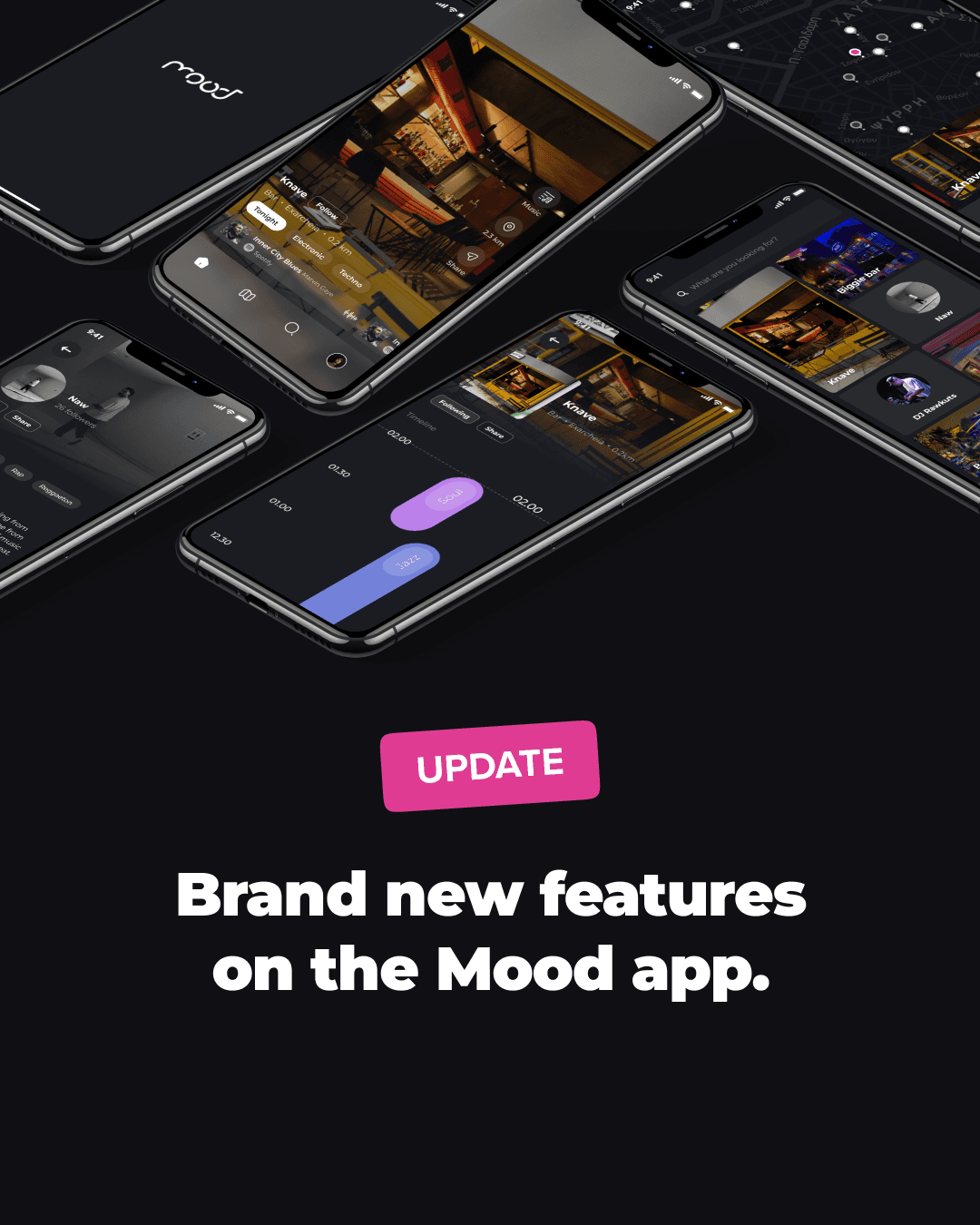
The first version was physical. The idea: install a device into every bar's DJ console, analyze the music being played in real time, and surface it as a live genre timeline on each venue's profile in a consumer app. The revenue model was data about the music being broadcast in venues, which would be sold to collective management organisations to help artists get paid fairly. When monetising that data hit a wall, the team faced a decision: walk away from everything they'd built, or find a new model within the same market.
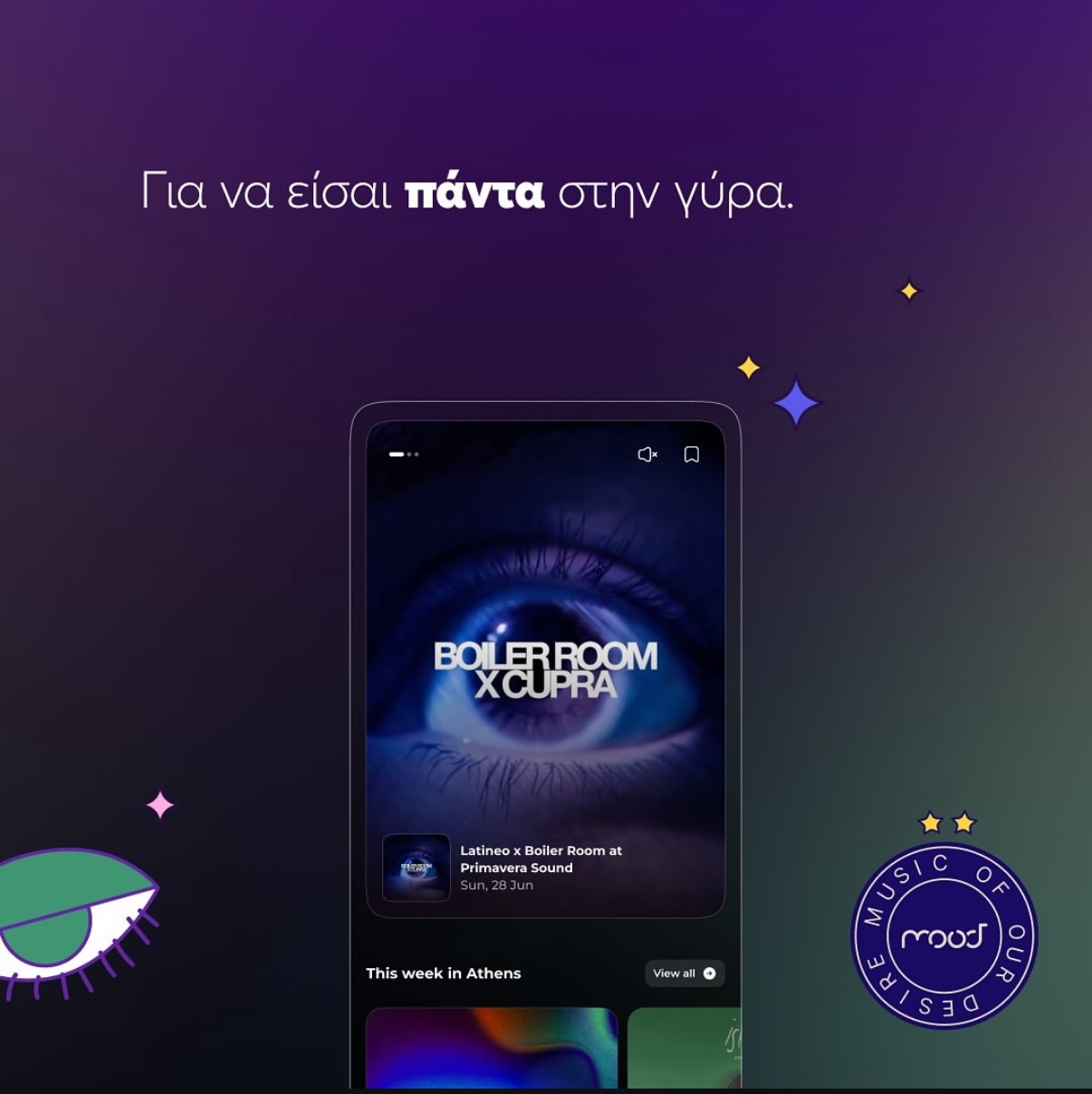
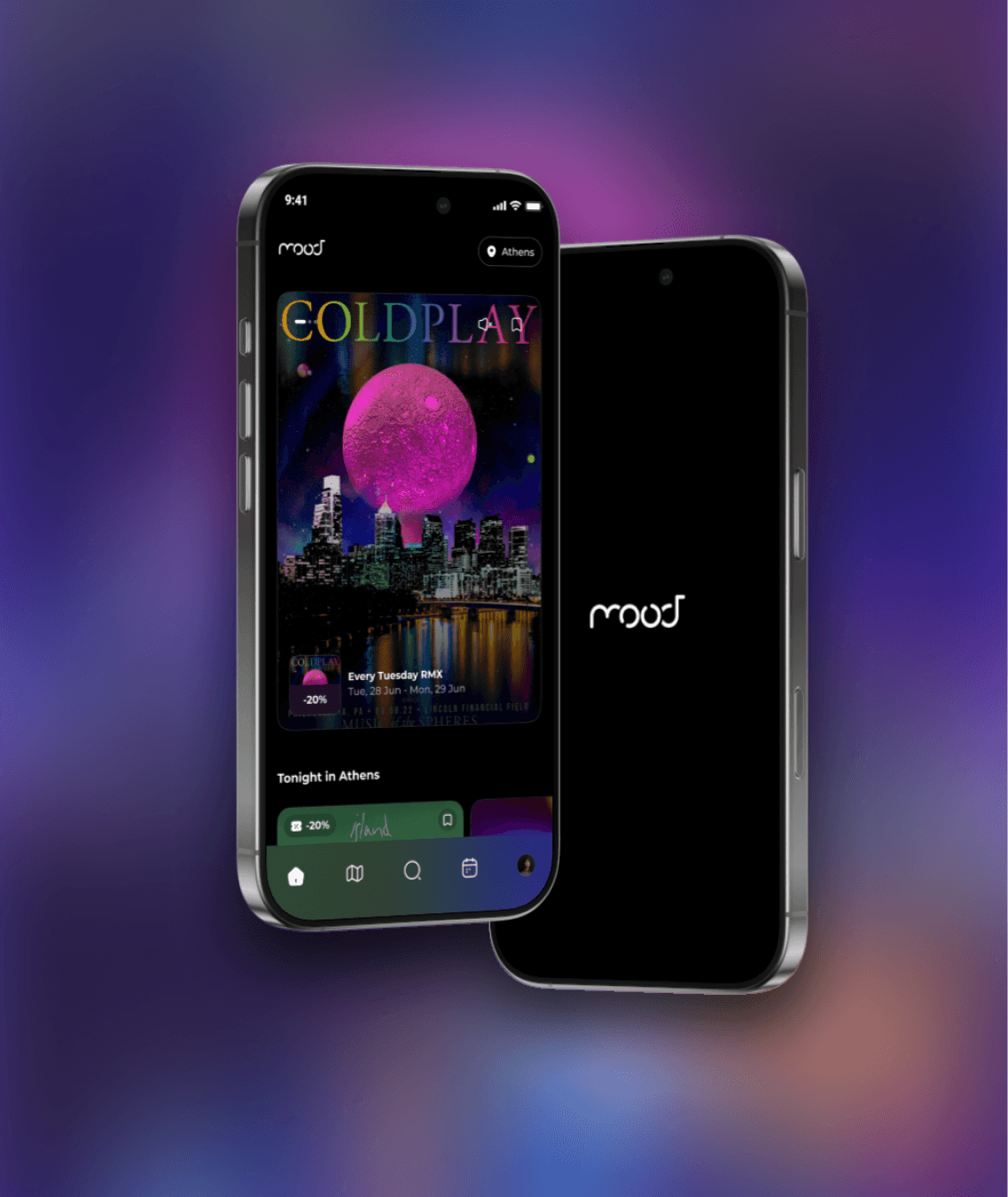
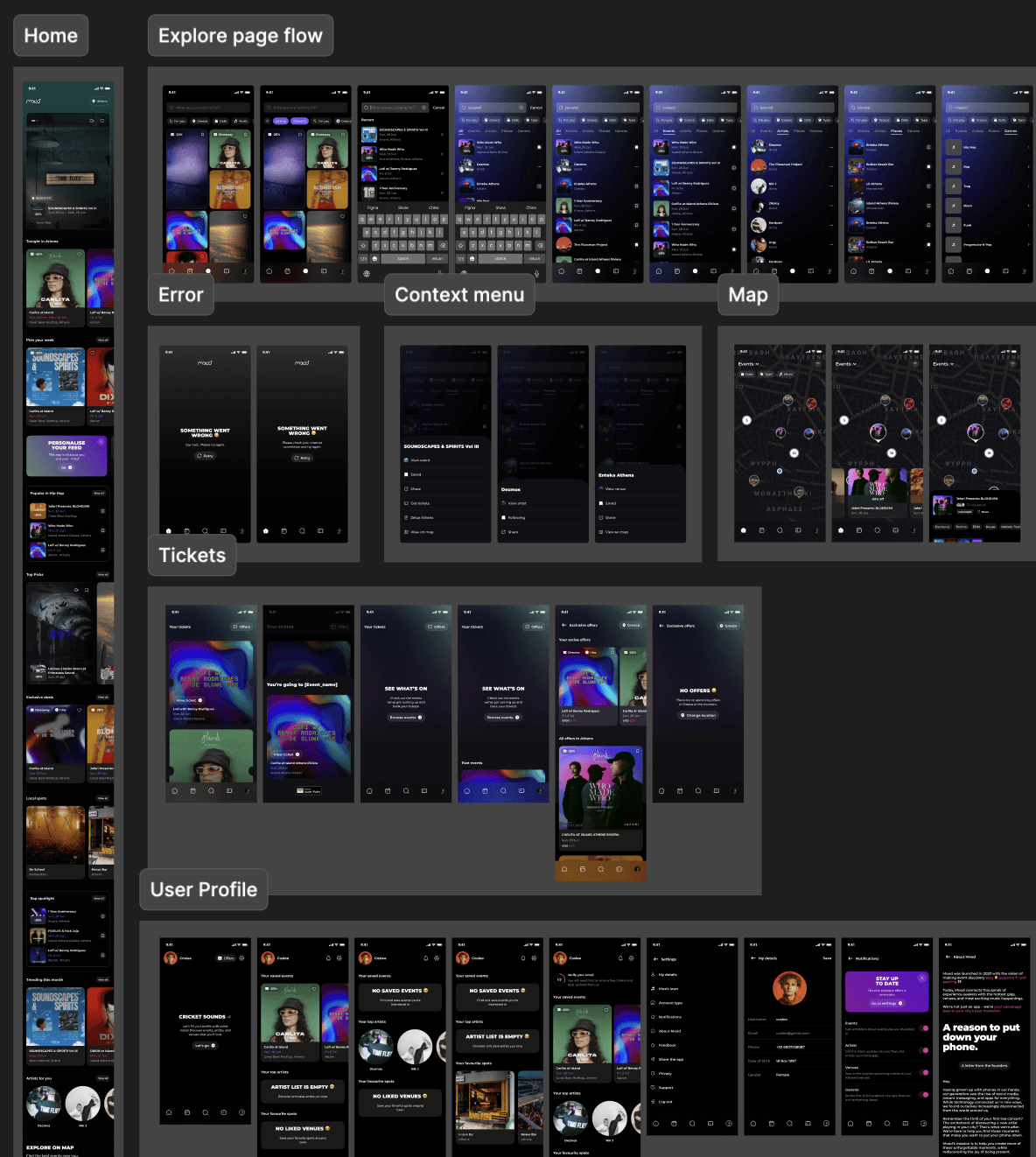
Mood became an event discovery and ticketing platform. Rather than only selling tickets for events they controlled, it would surface all events, use AI to make personalised recommendations, and partner with ticketing platforms to transact directly inside the app. The differentiation was personalization.
The pivot unlocked a commission-based revenue model and a much larger addressable market.
The €1M round
Lars Rasmussen, co-founder of Google Maps, had moved to Athens and quickly became invested in the local startup ecosystem. When the Mood team first approached him, he wasn't interested. In fact, he had a specific resistance to the space.
They sent him a brief update every month for over a year and, after fourteen months, he replied. He wanted to come by the office.
He invested €100k. That anchored the round. By the time it closed, Mood had raised €1M from a group that included investors from Netflix, Revolut, TripAdvisor and Napster.
Where it stands
Mood is live across multiple European markets and still expanding with 300k+ active users.
What Mood proved
A group of misfits, without a track record, can build something real without taking the conventional path.
Not despite being young troublemakers. But because of it.