Kineo
How Kineo went from corporate spinout to €2M exit in 2 years.
1,200 Vehicles operated · 315K Rental days · 420t CO₂ saved
Scope
Venture building
Stage
0 -> €2M exit valuation
Timeline
2020-2023
Eight years without a car
By 2020, Adam had been car-free for eight years, funnily enough while working in automotive and transport. He understood fleet economics. He also understood, from daily experience, that most urban trips didn't need a car at all.
If you wanted to try an e-bike or e-scooter in Greece, you had two options: buy one for €1,000–3,000 without knowing if it would work for you, or rent a shared one that was expensive and unreliable. There was no middle ground.
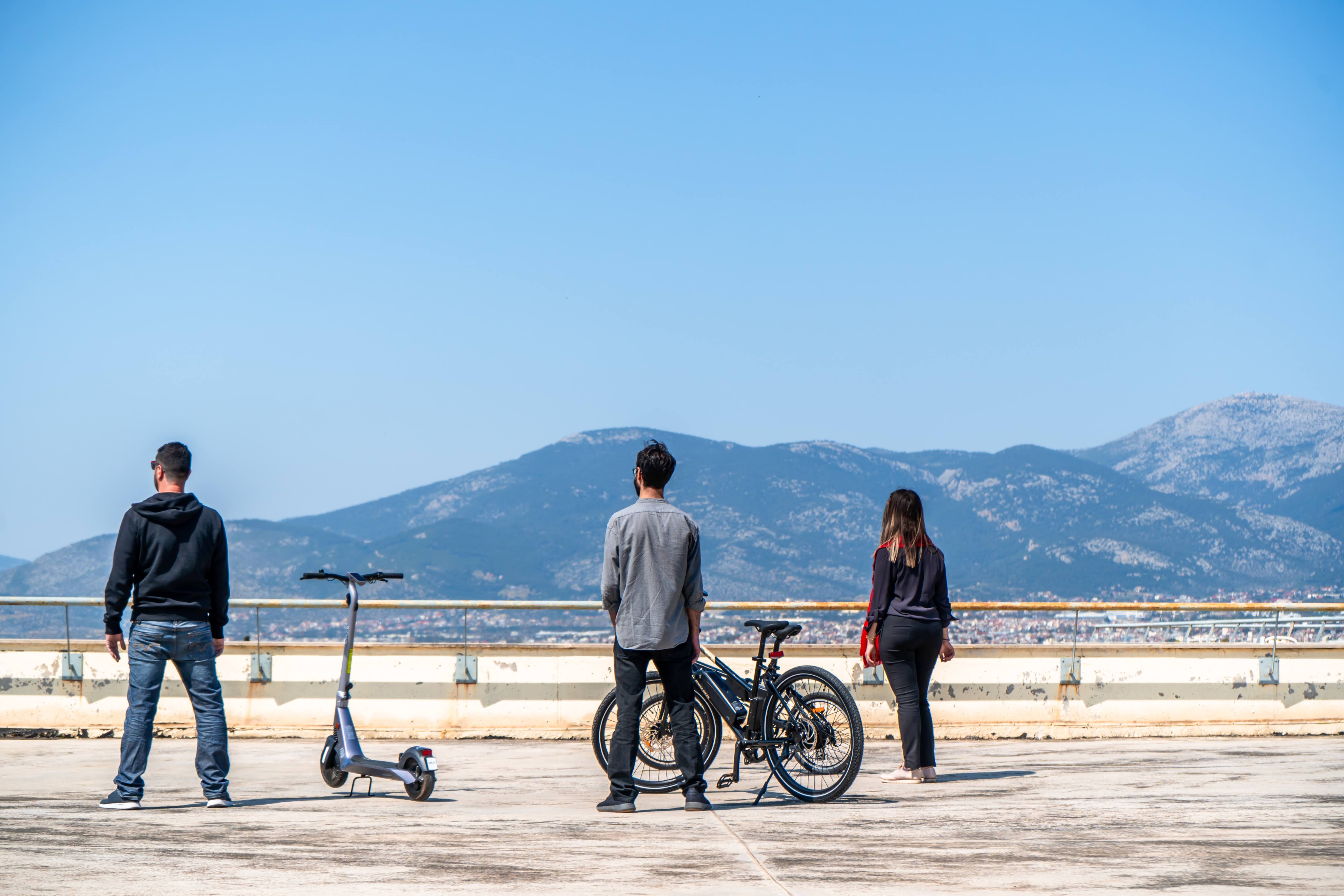
Kineo was built to fill that gap. A monthly subscription to an e-bike or e-scooter, delivered to your door, fully serviced, with insurance included. Cancel any time, or buy it at a discount.
From corporate to spinout
Kineo didn't start in a garage. It started inside Autohellas, one of Greece's largest listed companies and the country's leading car rental group. The Group saw the micromobility thesis early and backed Adam to build it from scratch. This gave Kineo institutional credibility from day one, access to fleet and leasing expertise, and the patience of a corporate backer that understood vehicle economics. But the company operated like a startup. Small team, fast decisions, direct customer relationships.
Building the platform
Kineo launched in January 2021 in Athens, sourcing vehicles from multiple OEMs rather than building proprietary hardware. A platform model meant it wasn't locked into a single manufacturer and it could add vehicle types, serve different segments, and maintain residual value at end of life.
B2C subscribers got a personal vehicle from €39/month. B2B clients got fleets without the capital commitment. Growth came fast: zero to 100+ active riders in three months, 15 cities by summer 2021.
The B2B leisure sector proved even stronger. Hotels needed seasonal fleets they didn't want to own. B2B leisure accounted for 75% of B2B revenue, with zero acquisition cost. Clients came to Kineo.
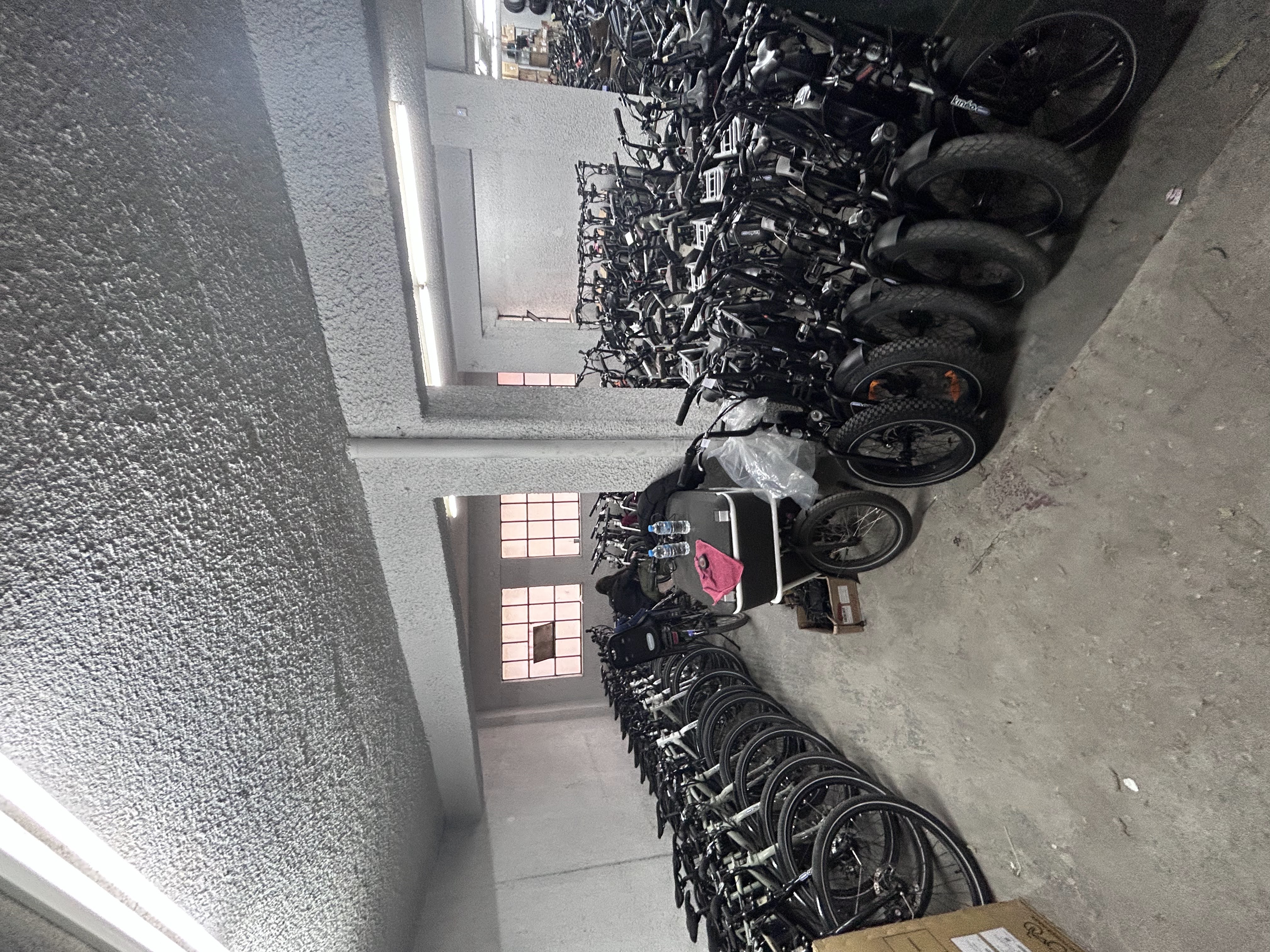
By late 2022, Kineo had a fleet of 900 vehicles across 40+ cities and islands, 1,200 unique B2C customers, and 34 B2B accounts. Its users saved 420 tons of CO₂ by replacing car trips.
What was hard
Greece had no tradition of micromobility subscriptions. Every customer needed educating. The team ran onboarding sessions for every rider, delivered vehicles to people's doors, and guaranteed 3-day service resolution or a replacement. Not scalable, but for building trust in a market that didn't exist yet, it was the right approach.
The exit
In 2023, Autohellas contributed all of Kineo's shares to Instacar — Greece's leading car subscription platform — in exchange for equity valued at €2M, as recorded in Autohellas's 2023 annual financial statements. A 2.2x return in 2.5 years.
What Kineo proved
Kineo was built from zero in a market that didn't exist. It found product-market fit in two segments, built a capital-efficient model, and delivered a 2.2x return for its corporate backer in under three years.
It also proved something about how corporates and startups can work together. Autohellas provided capital, credibility, and patience. Adam provided speed, focus, and founder-level ownership. The model worked because the corporate didn't try to run the startup, and the startup didn't ignore the corporate's strengths.